Empowering Youth for a Green Future: Inside RP Kitabi’s Career Connect Event 2026
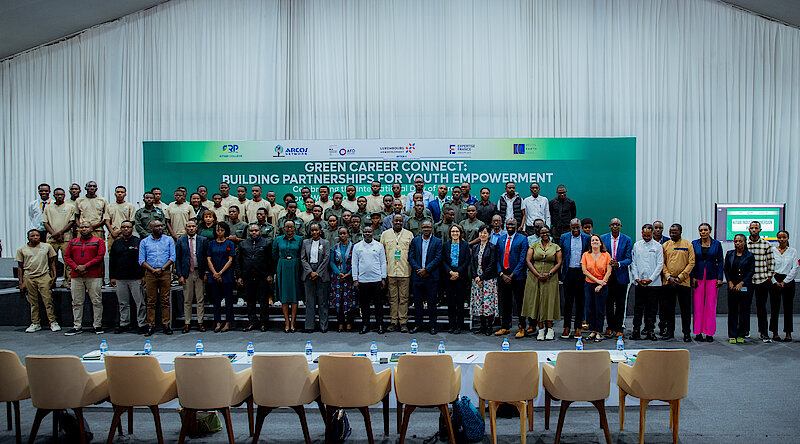
In a rapidly evolving job market shaped by climate change and sustainability demands, one question continues to challenge education systems: are graduates truly prepared for the opportunities of tomorrow?
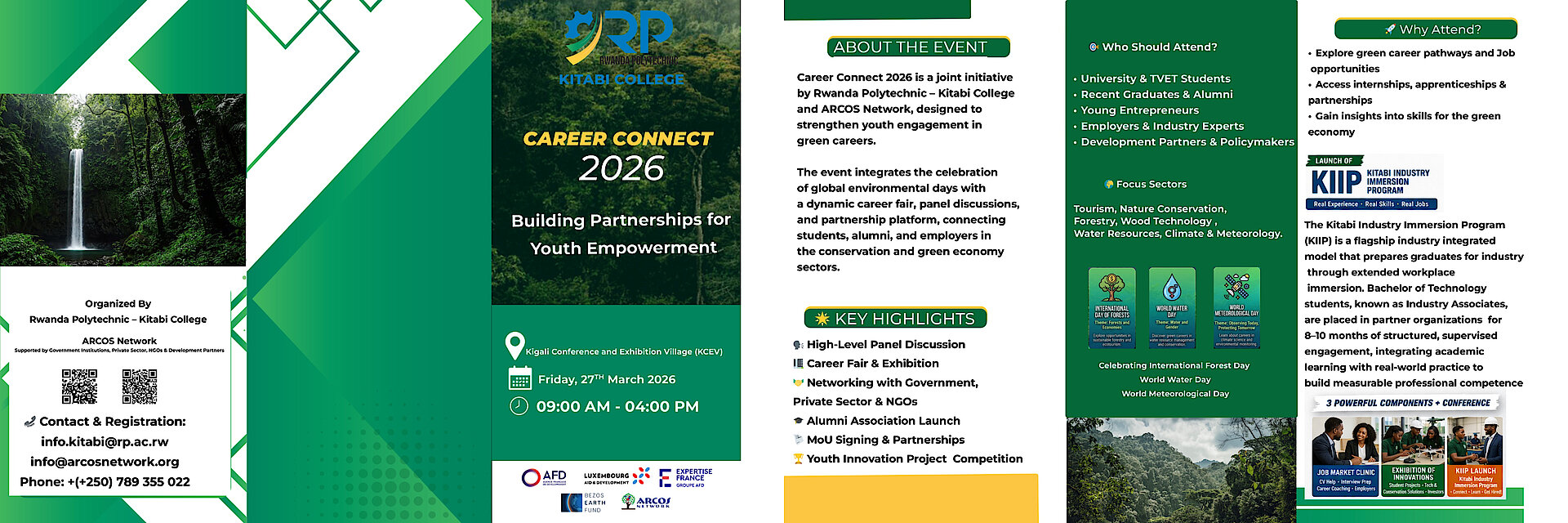
Kigali, March 27, 2026, at the Kigali Conference and Exhibition Village, this question took center stage as RP Kitabi College, in partnership with the Albertine Rift Conservation Society (ARCOS) and other Partners , convened students, industry leaders, and policymakers for Career Connect 2026, an initiative aimed at turning academic knowledge into real-world opportunity.
A National Youth Employment Challenge
Rwanda’s young population faces real challenges breaking into the labor market. According to Global Economy, Youth unemployment measured among 15‑ to 24‑year‑olds was around 17.5% in 2024, higher than the national average and significantly above global averages, reflecting persistent hurdles for young jobseekers.
Recent national data also show youth unemployment remaining high into late 2025, with an estimated 14.1% in the fourth quarter of 2025, despite improvements in job creation, while nationwide unemployment sits at around 11‑12%.
Meanwhile, many young Rwandans work in informal jobs without job security or predictable incomes, estimated at 83% of employed youth in recent assessments; underscoring the need for stable, formal employment pathways.
In this climate, initiatives like Career Connect are more than networking spaces. They are essential platforms linking youth to the emerging green economy.
A Platform Beyond Traditional Job Fairs
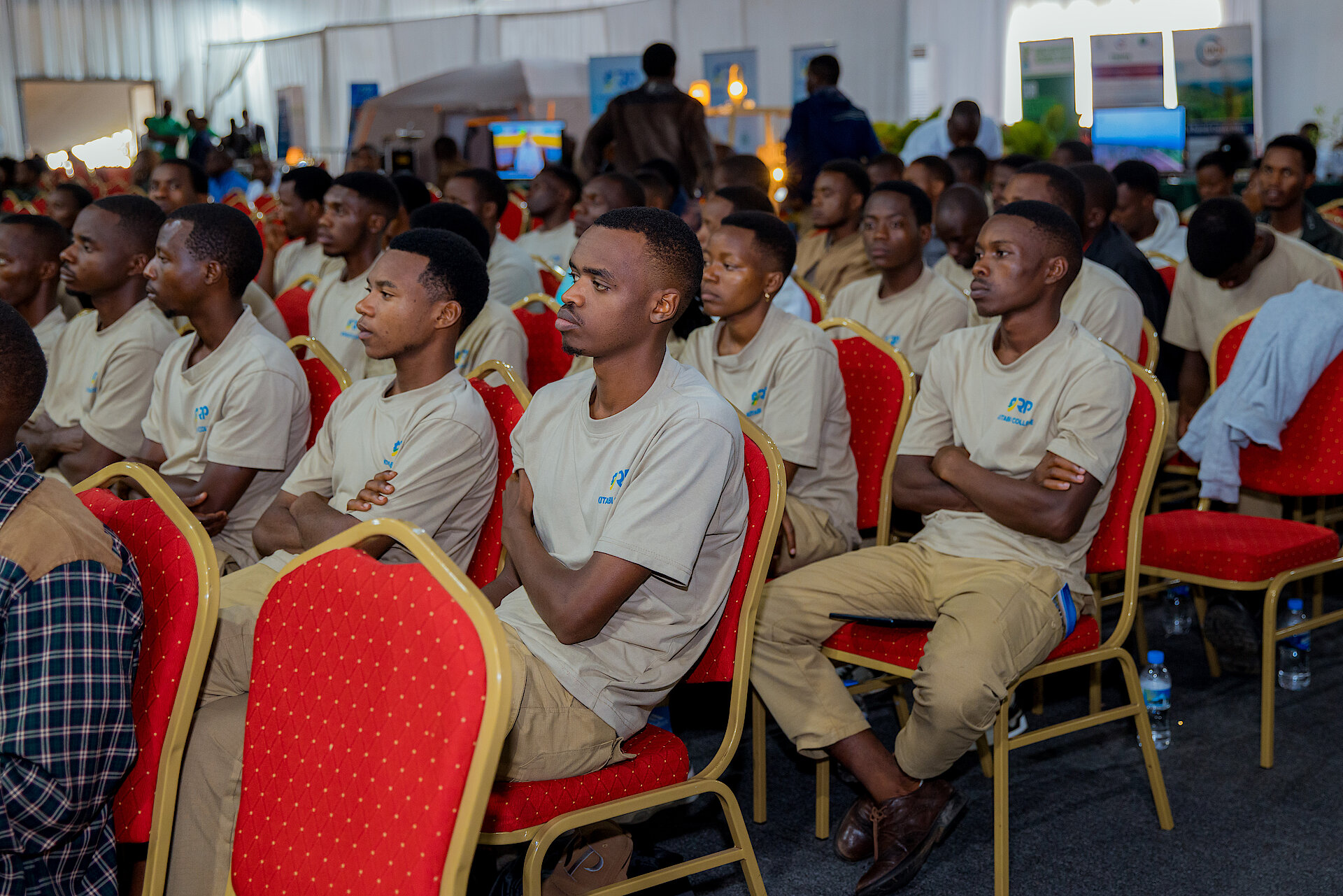
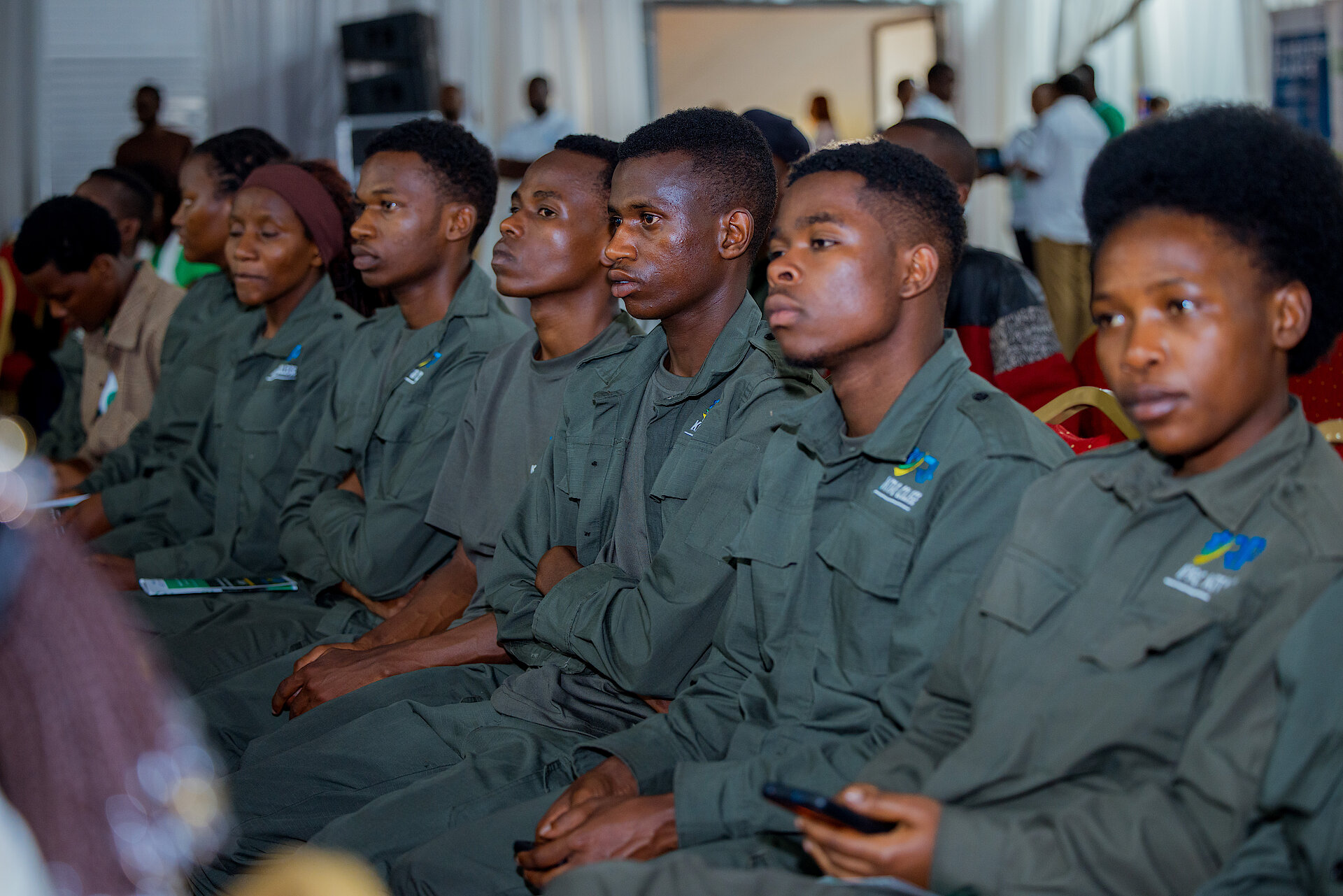
Bringing together over 500 participants including students, alumni, private sector actors, and conservation practitioners, the event moved beyond the traditional concept of a career fair. Instead of simply presenting job vacancies, Career Connect 2026 created a space for dialogue, exposure, and partnership building in critical sectors such as conservation, tourism, and environmental management.
Students Step into Opportunity
For many students, the event marked their first direct engagement with the realities of the labor market. Those studying nature conservation, tourism, and forestry at RP Kitabi College described the experience as both eye‑opening and empowering.
“We are here to meet employers and understand what they expect from us so we can align it with what we are learning,” one student explained.
Another participant highlighted the value of networking:
“This event gave me the chance to interact with company leaders. I now understand where to focus my efforts and have made connections that could support my future career.”
For Irene Ndahimana, the experience was transformative:
“This event has opened my eyes to the many career opportunities available and helped me understand the skills I need to succeed. It has inspired me to pursue environmental conservation with more confidence.”
Closing the Gap Between Training and Employment
A recurring theme throughout the event was the persistent disconnect between education and employability.
Niyonsaba Pascaline Ingabire, Assistant Lecturer at RP Kitabi College, emphasized that bridging this gap requires intentional collaboration:
“Today is about connection and opportunity. We are linking students with employers, strengthening alumni networks, and opening doors to jobs and internships.”
RP-Kitabi College Principal, Nasasira Richard, reinforced this call, encouraging students to take advantage of every opportunity and actively connect with potential employers. He emphasized that success requires more than just academic knowledge, it also depends on initiative, networking, and practical experience.
Partnerships Driving Transformation
The success of Career Connect 2026 highlights the growing importance of multi‑stakeholder partnerships in shaping the future workforce.
Jacqueline Ntukamazina, representing ARCOS, underscored the central role of youth:
“Young people are at the heart of this transformation. We are committed to equipping them with the skills needed to drive sustainable development.”
She also acknowledged support from the Bezos Earth Fund through the KiRuCaRe Project, which continues to strengthen the connection between innovation and practical impact.
Collaboration as a National Imperative
At a broader level, the event reflects Rwanda’s commitment to aligning education systems with labor market demands.
Dr. Sylvie Mucyo, Vice Chancellor of Rwanda Polytechnic, emphasized that collaboration remains key:
“Strong partnerships between institutions, the private sector, and academia ensure that our training remains relevant and responsive. Together, we can enhance employability and contribute to national development.”
Her remarks point to a critical reality: without coordinated efforts, the transition from classroom to career remains incomplete.
Green Economy: A Source of Jobs and Innovation
Delivering keynote remarks, Minister of Environment Dr. Bernadette Arakwiye positioned the initiative within Rwanda’s broader development strategy:
“This is more than a gathering — it is a platform for collaboration, partnership, and opportunity. Environmental sustainability is not only a priority but also a growing source of jobs and innovation for the next generation.”
Global estimates suggest the green economy, which includes renewable energy, sustainable agriculture, eco‑tourism, and related sectors; could generate millions of new jobs across Africa by 2030, notably in skilled and specialized roles, with renewable energy alone expected to drive a large share of these opportunities.
Her message reflects a shifting policy landscape — where environmental protection and economic growth are increasingly interconnected.
Building Networks That Last
Beyond immediate opportunities, the event laid the foundation for long‑term engagement.
The launch of the RP Kitabi Alumni Association marked a significant milestone aimed at strengthening mentorship, professional networking, and knowledge exchange.
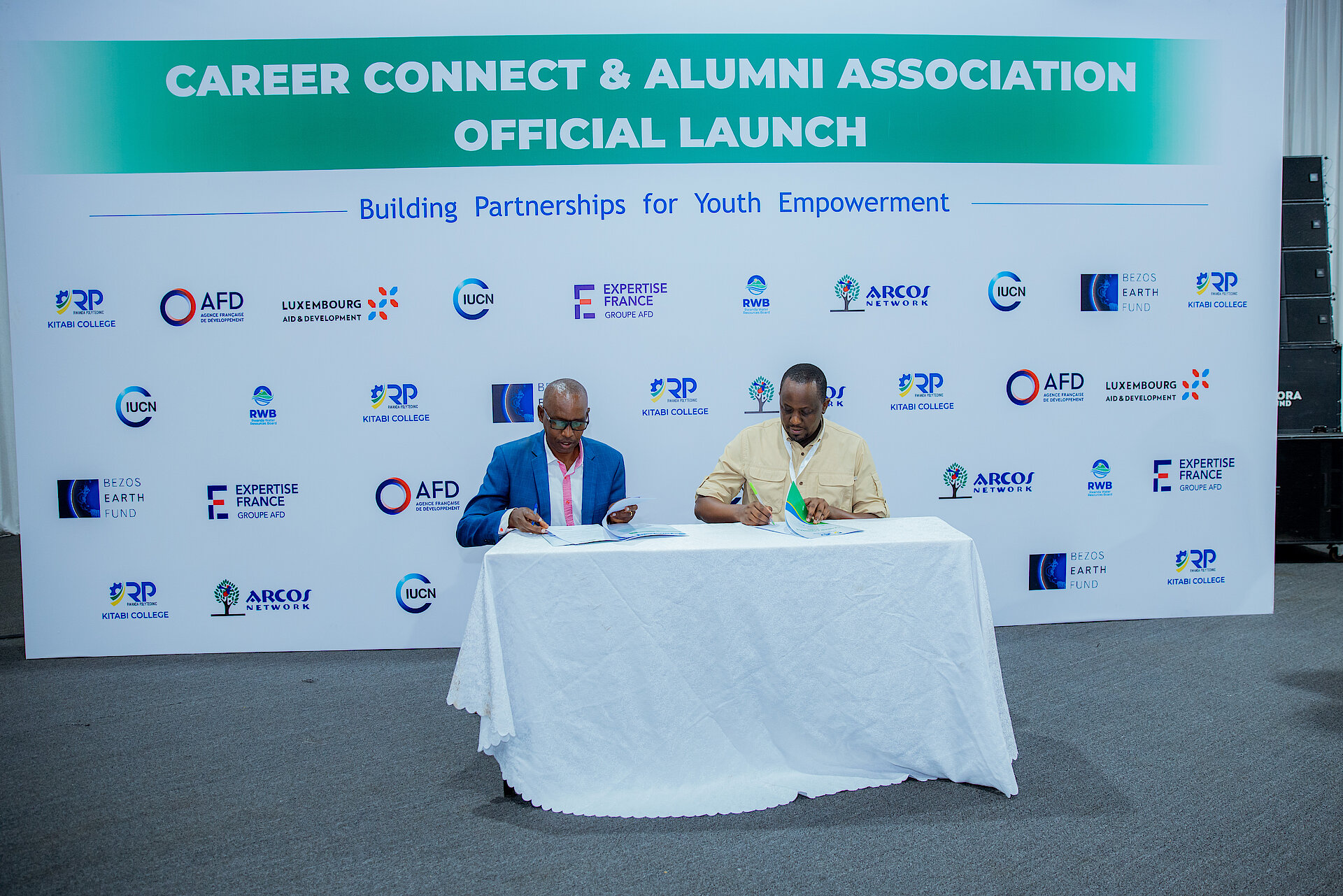
New partnerships were established, reinforcing the importance of sustained collaboration in advancing both education and employment outcomes.
Aligning with Green TVET Transformation
Career Connect 2026 is part of the broader AFTER II Project, supported by the Government of Luxembourg and the French Development Agency (AFD), which focuses on strengthening Technical and Vocational Education and Training (TVET) systems.
Key interventions include:
Strengthening links between training institutions and industry
Expanding internship and employment opportunities
Enhancing workplace‑based learning through instructor training
These efforts are designed to ensure that graduates are equipped not only with knowledge, but with practical, market‑relevant skills.
A Strategic Vision for the Future
For RP Kitabi College, the initiative represents more than a single event, it signals a long‑term ambition to become a regional leader in conservation, tourism, and environmental management education.
More broadly, it reflects a shift in Rwanda’s development model where conservation is increasingly positioned as a driver of jobs, innovation, and inclusive growth.
As the country navigates the challenges of climate change and sustainable development, one thing is clear: the future will belong to those who can connect skills, opportunity, and purpose.
Event Photos:
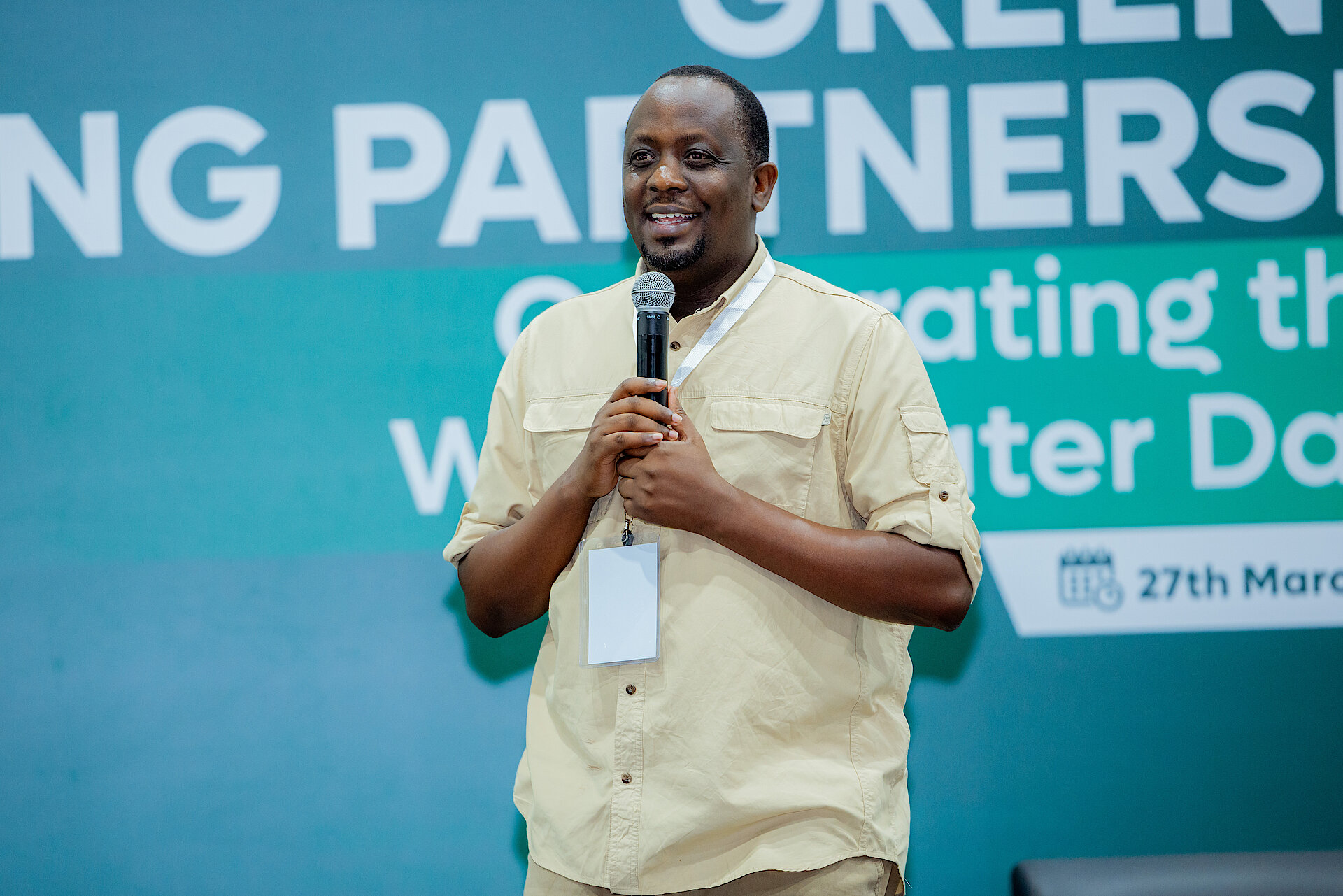 Bridging Classroom and Career: RP Kitabi Principal highlights the importance of connecting students with employers to enhance employability and real-world impact.
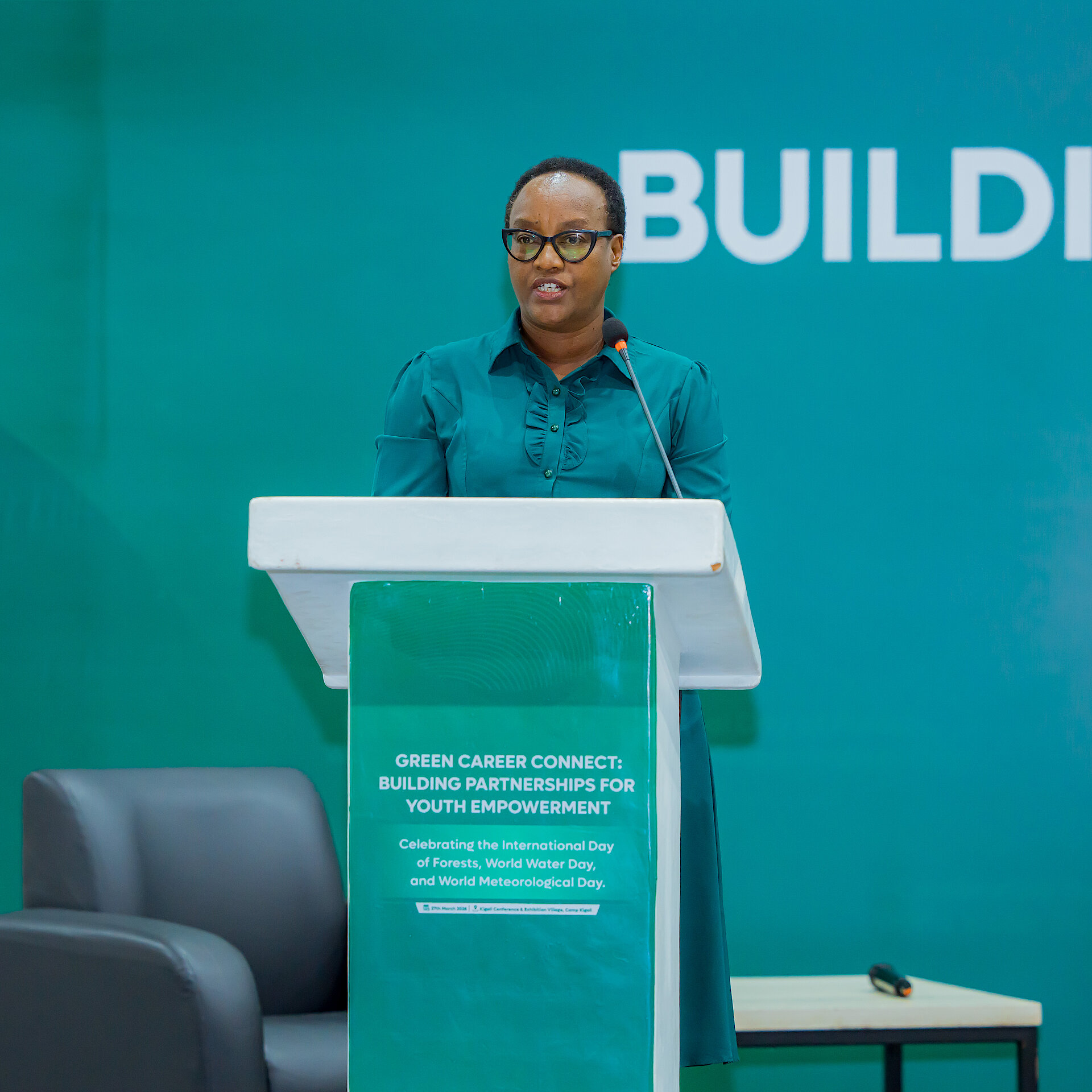
Jacqueline Ntukamazina (ARCOS): Youth are central to sustainable development.
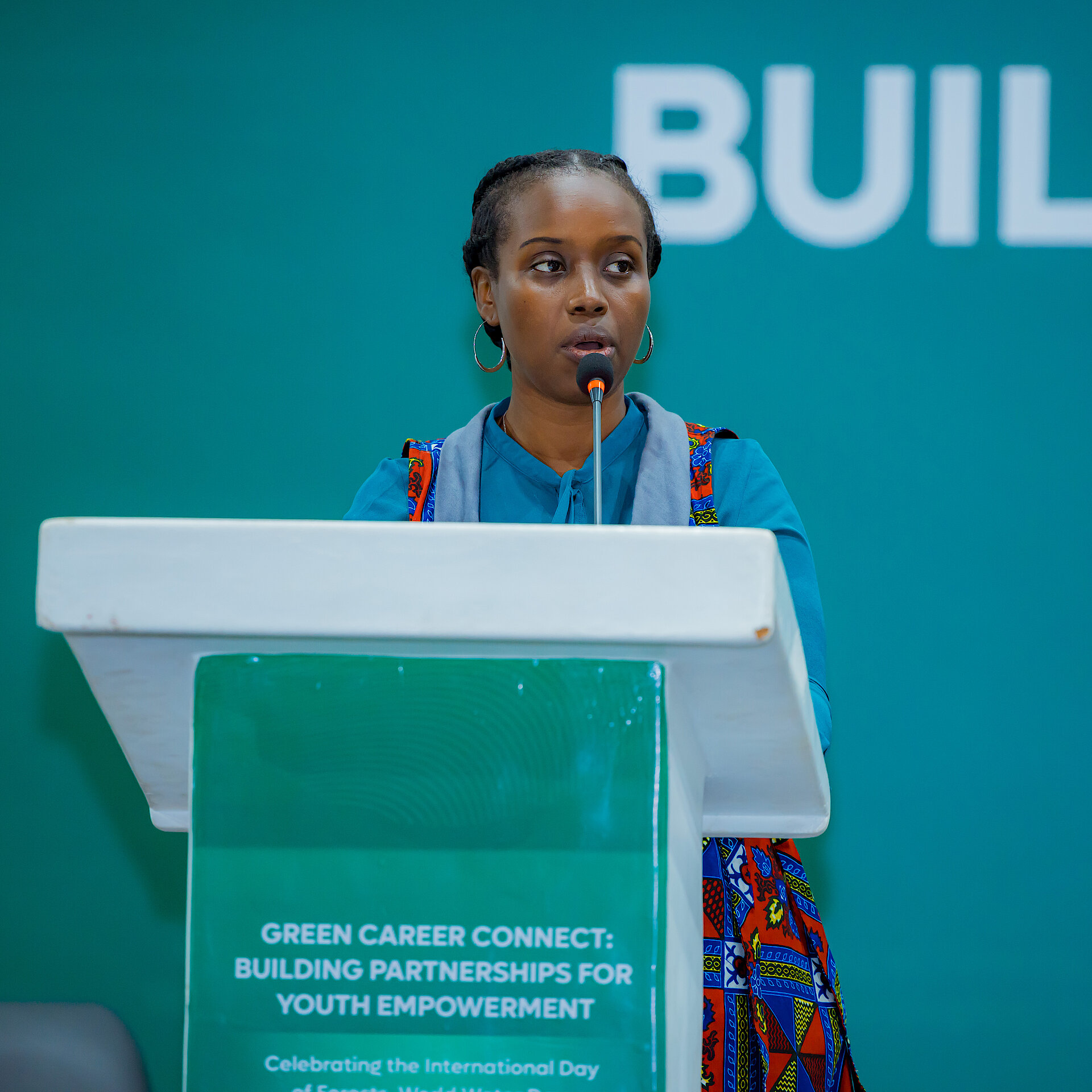 Dr. Mucyo, Vice Chancellor of RP, emphasizes collaboration as the pathway to youth employability and sustainable national growth.
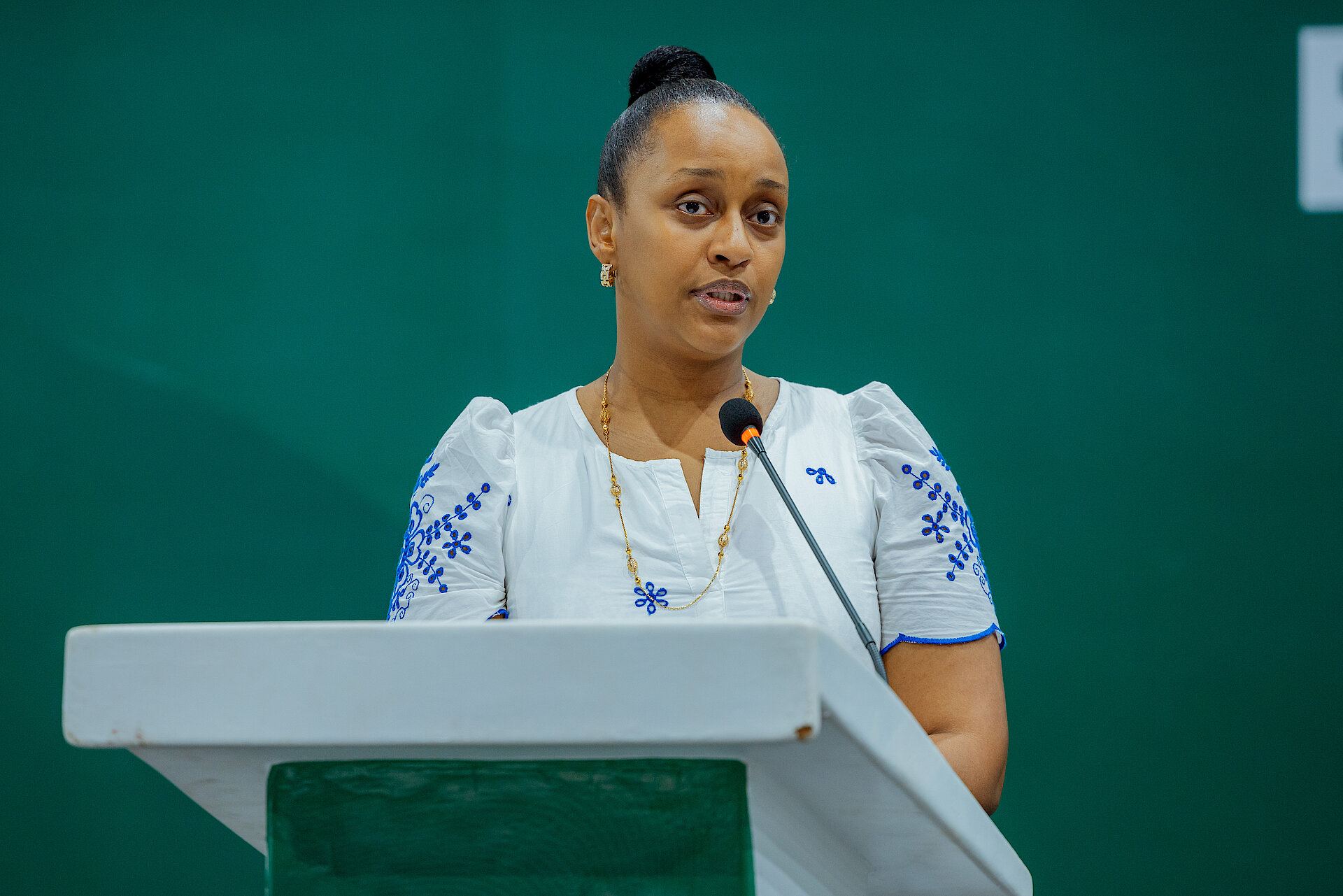
From passion to profession: RDB Chief Tourism Officer inspires young people to pursue careers in tourism and hospitality.
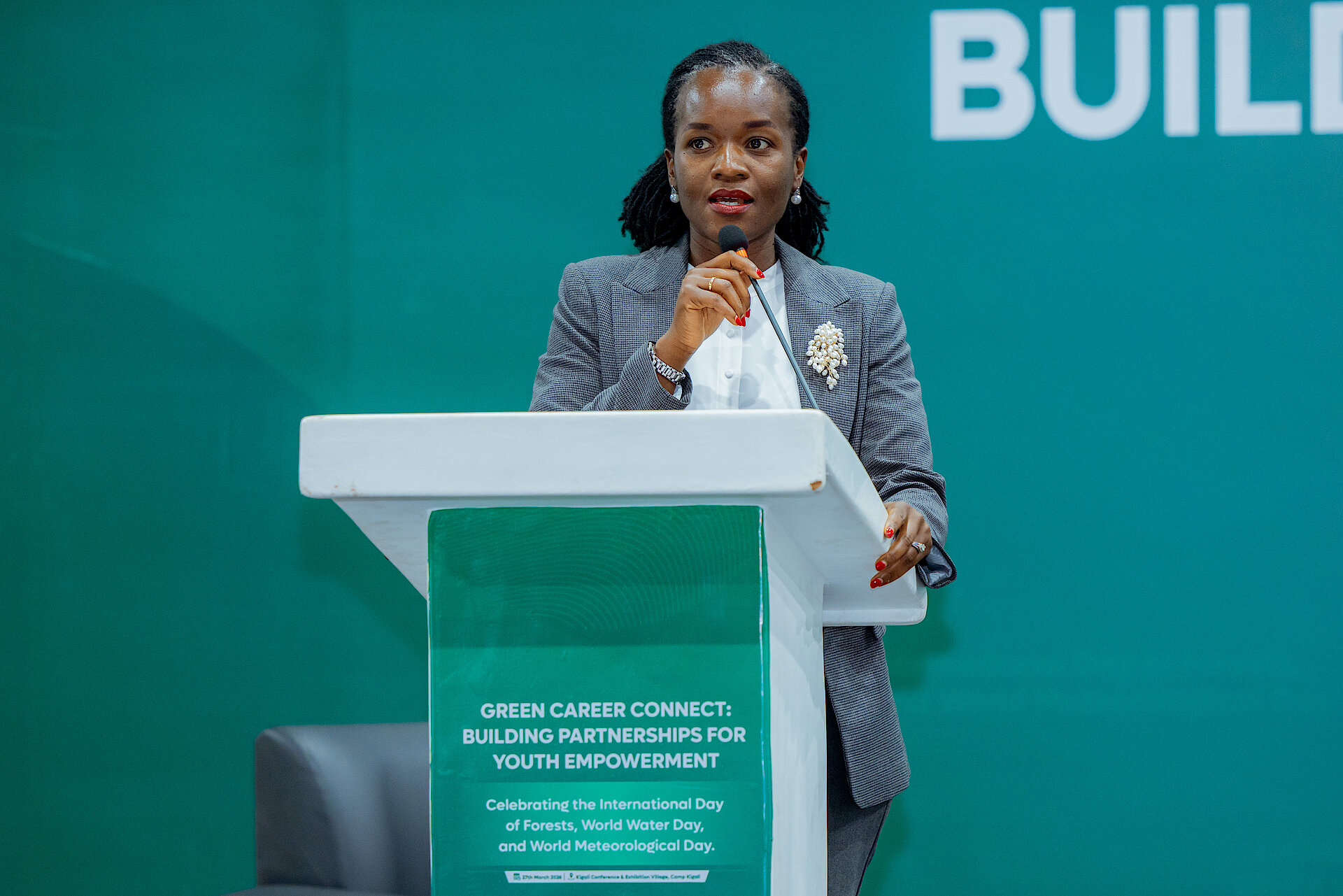 Minister of Environment Dr. Arakwiye emphasizes that protecting the environment also drives economic growth and employment.
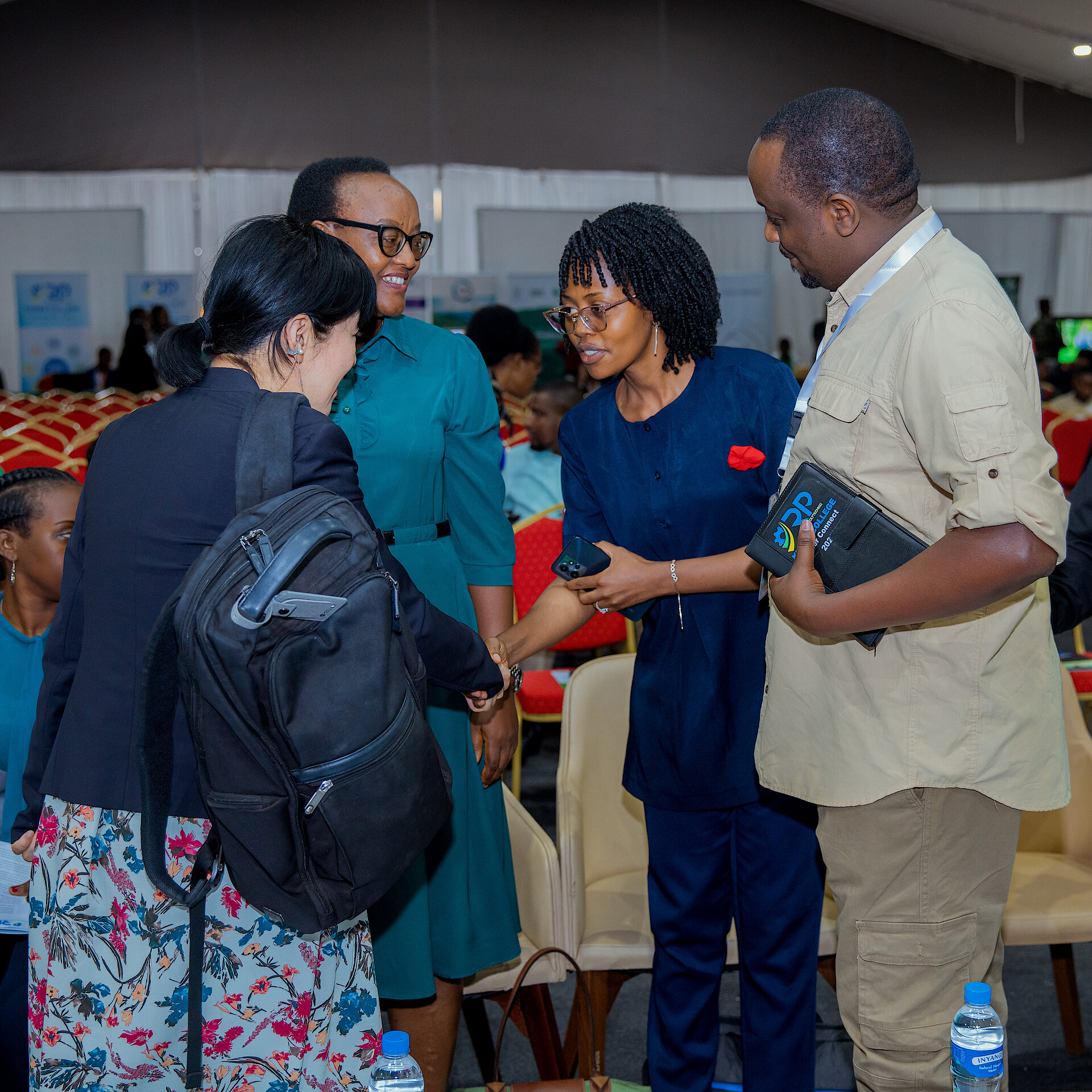
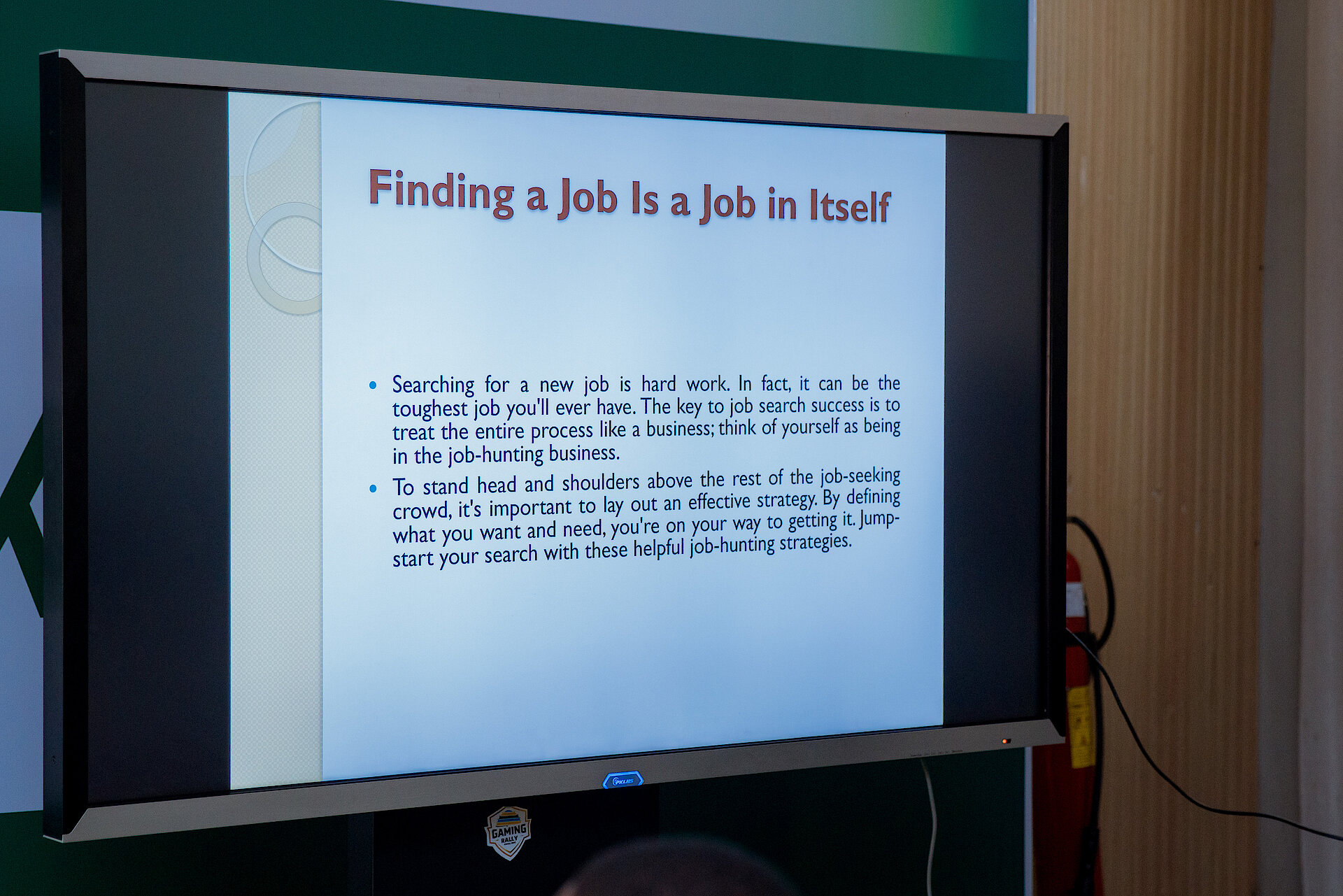 Students were shown how to search for jobs and connect with potential employers.
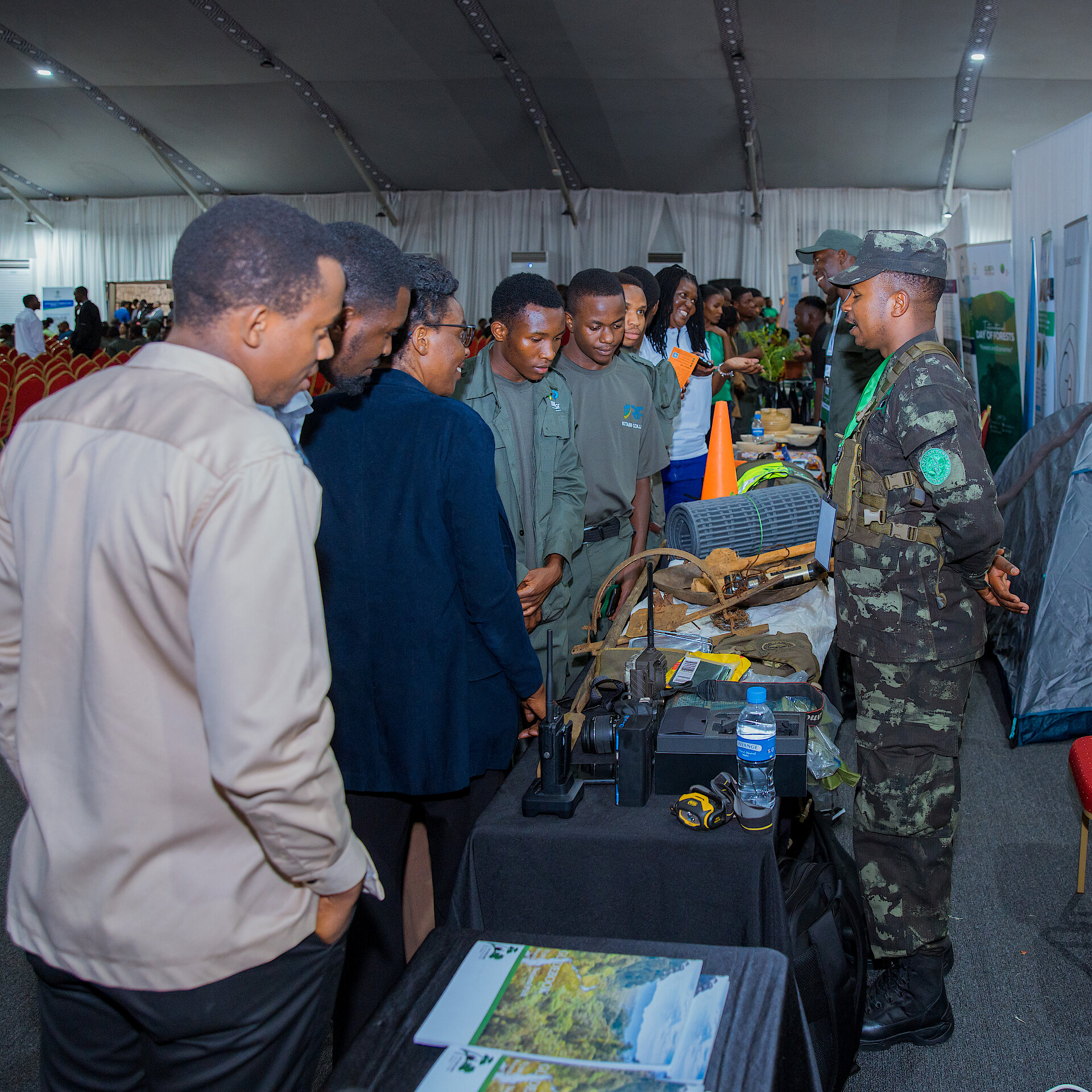 Exhibitors showcased innovative ideas and opportunities across the green economy sectors.
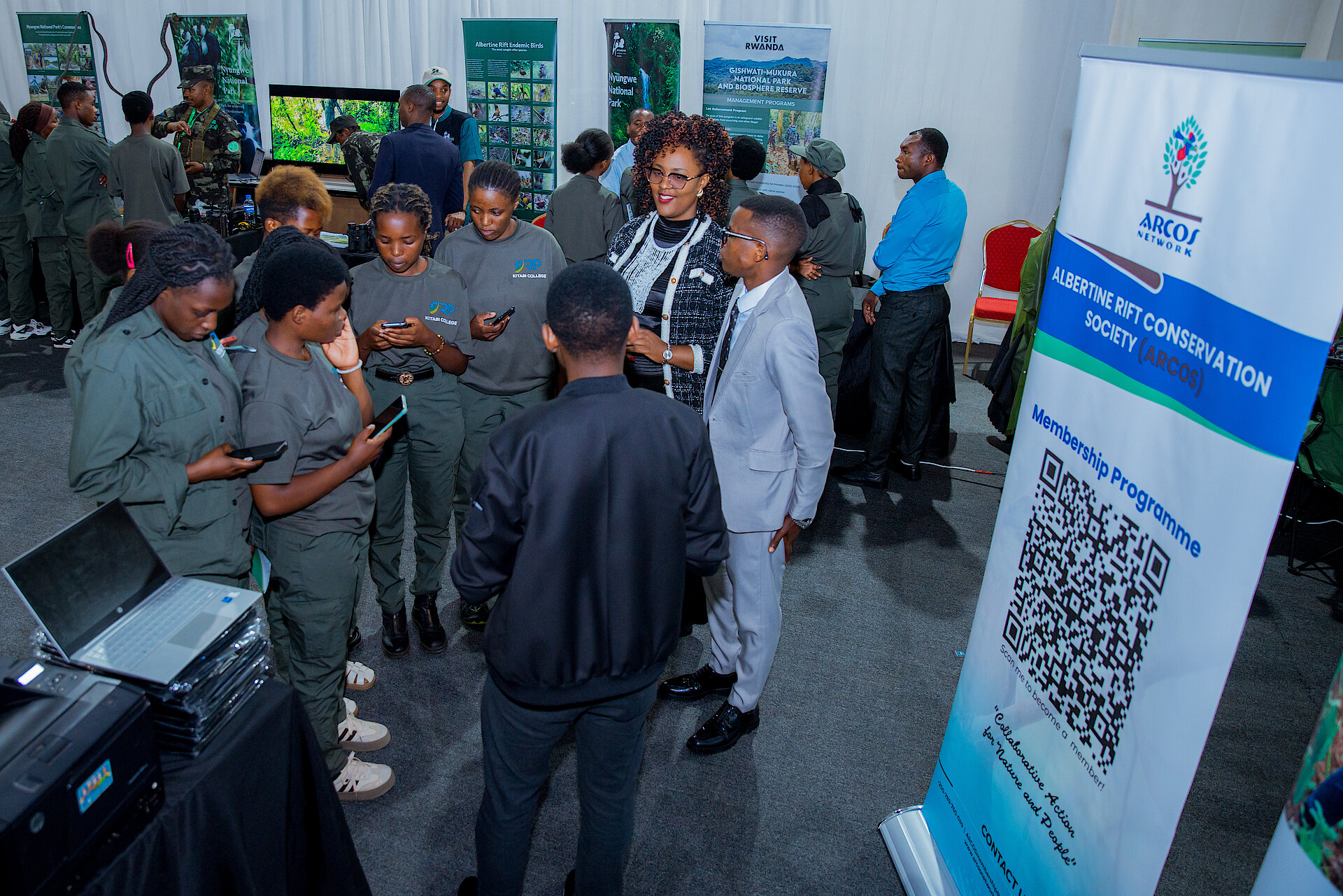
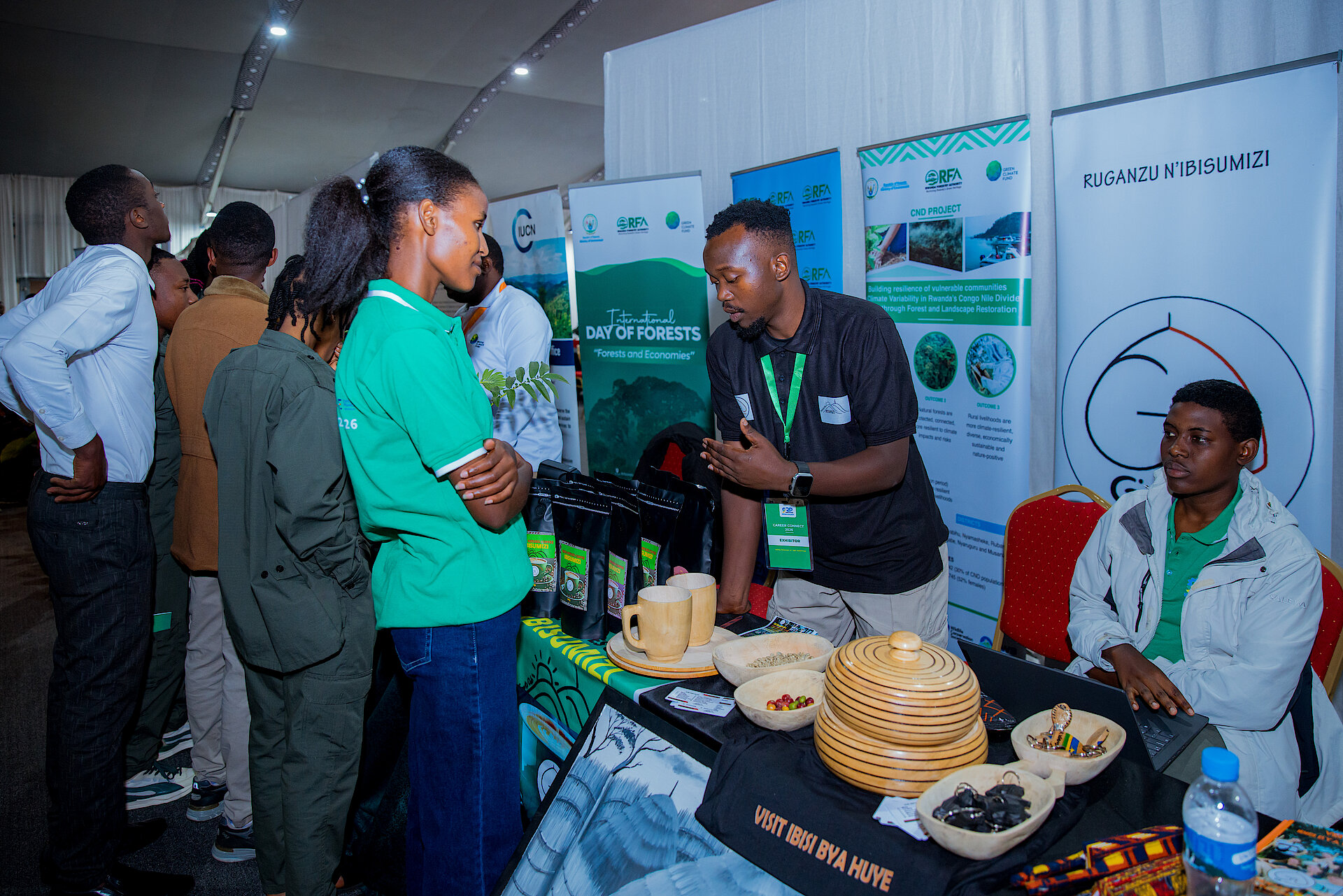 A diverse range of exhibitors highlighted careers in conservation, tourism, and environmental management.
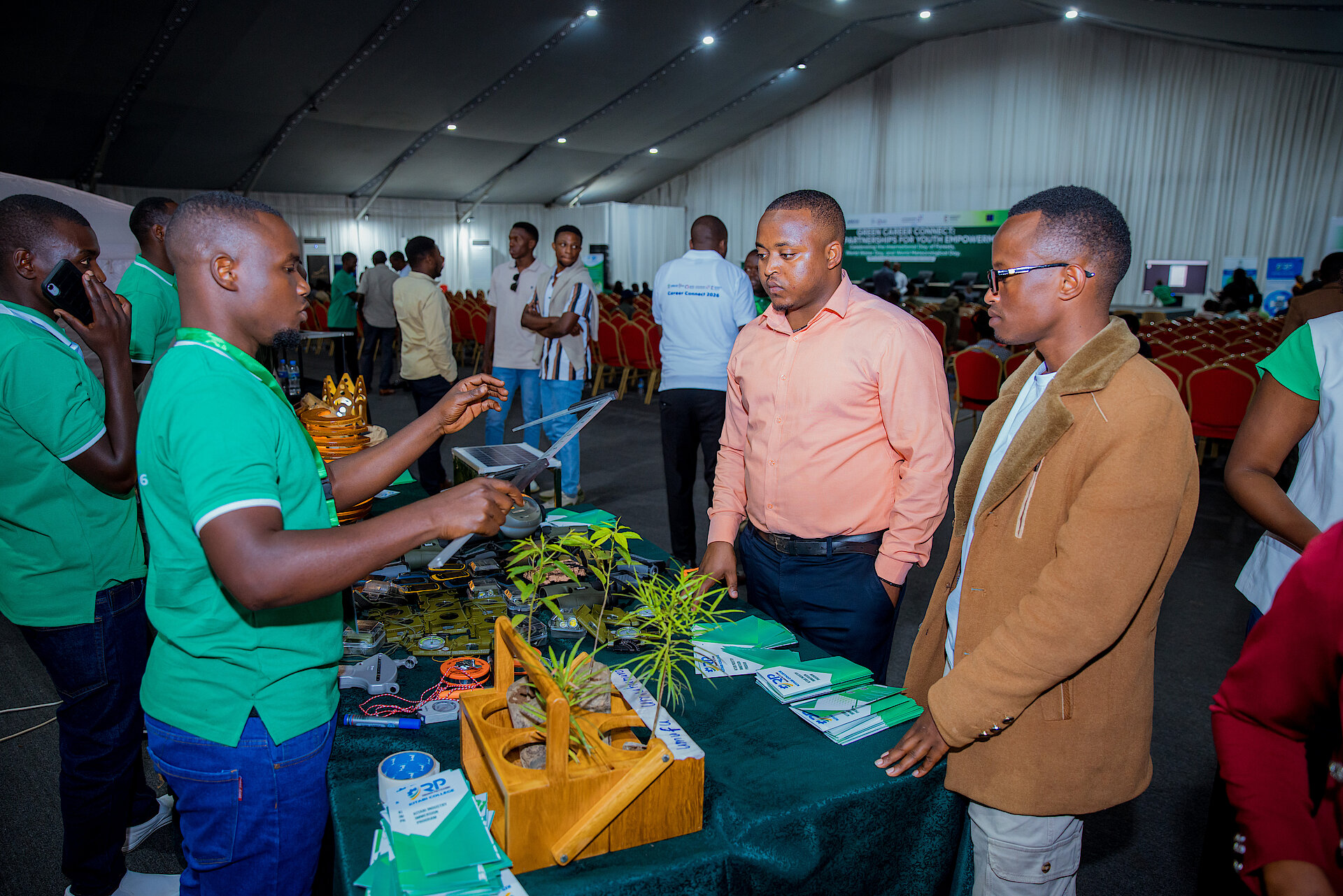 RP Kitabi College showcased its programs and innovations in green skills development.
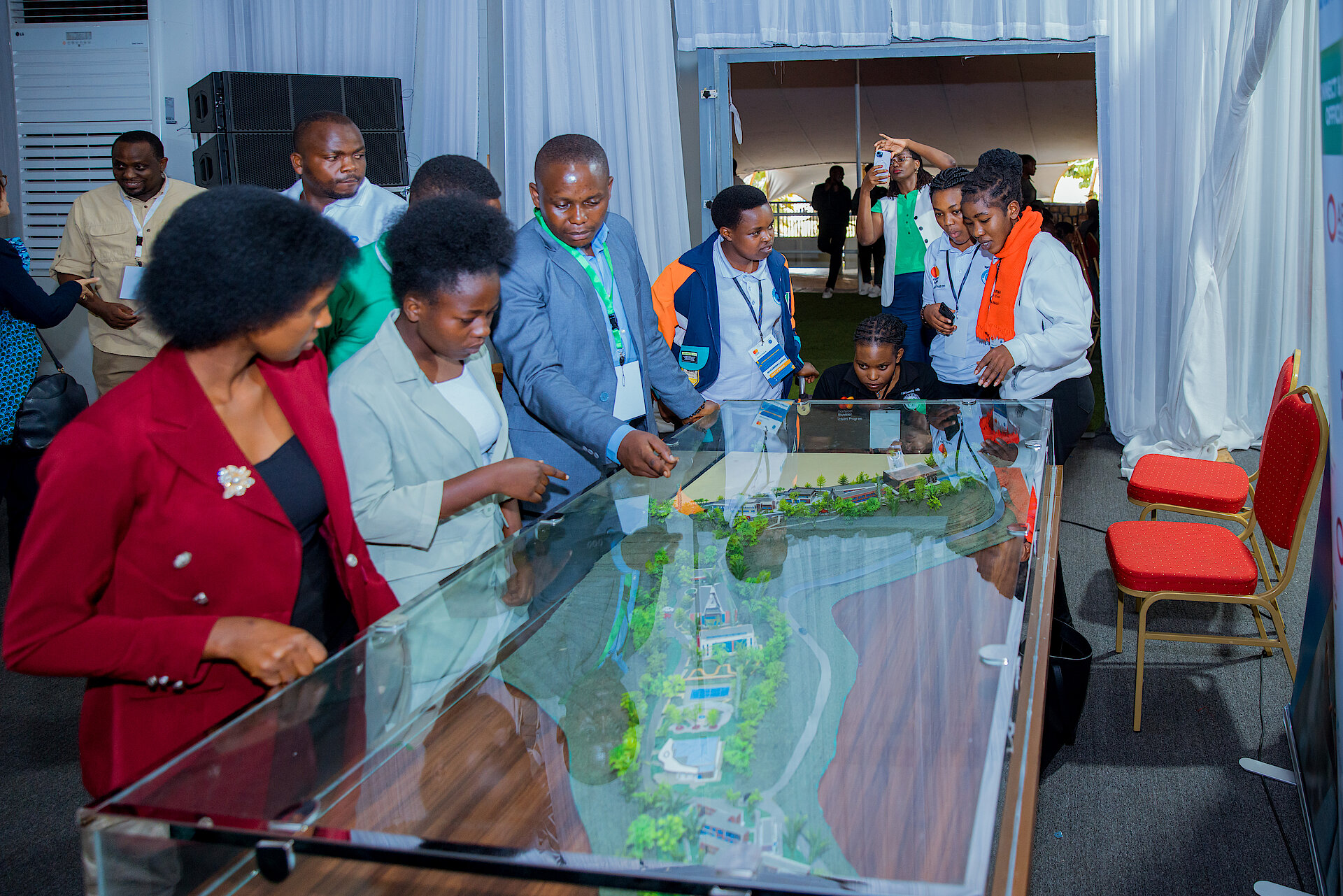 RP Kitabi College showcased the design of its renovated buildings to be constructed with support from the Agence Française de Développement (AFD) through the AFTER II Project.
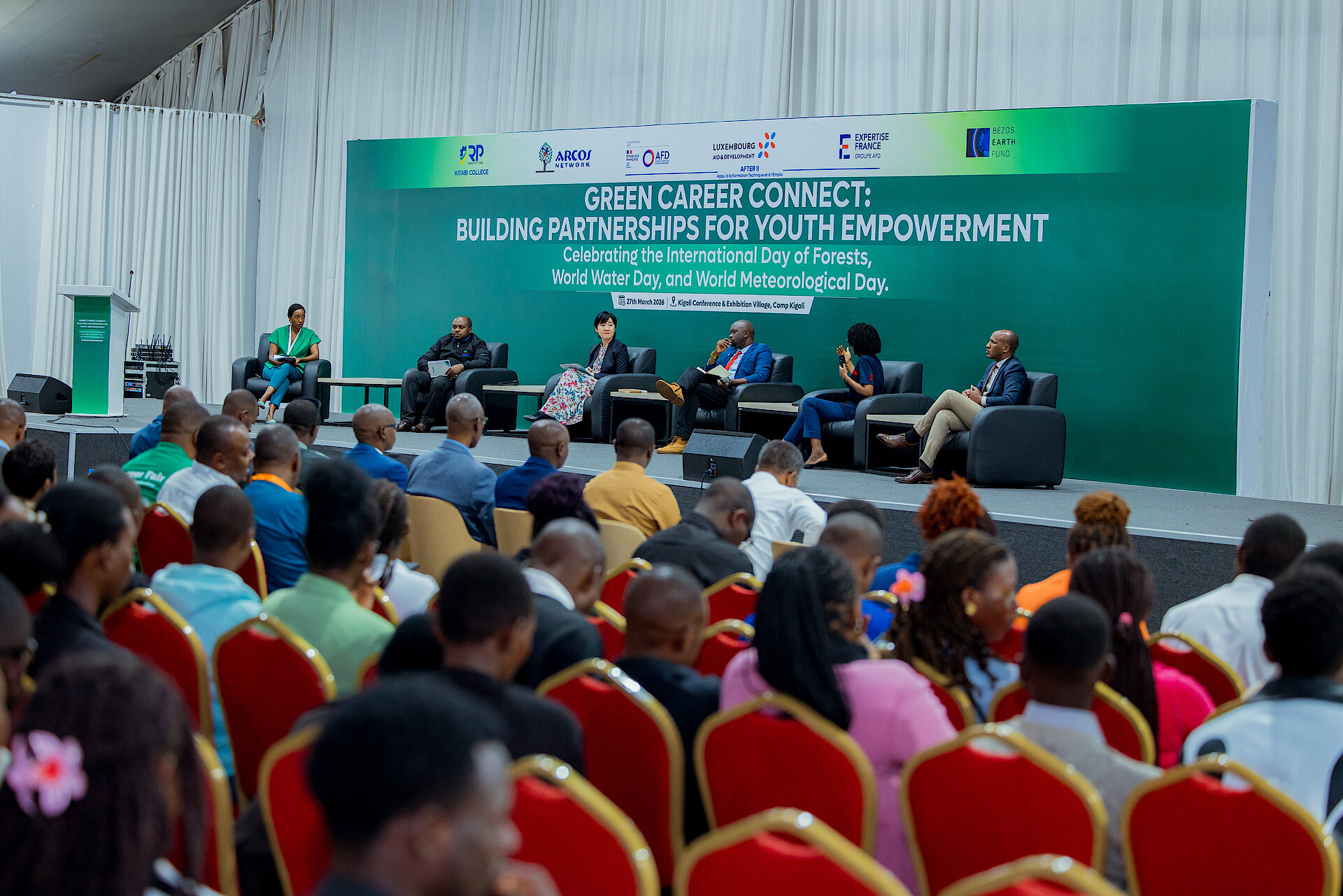
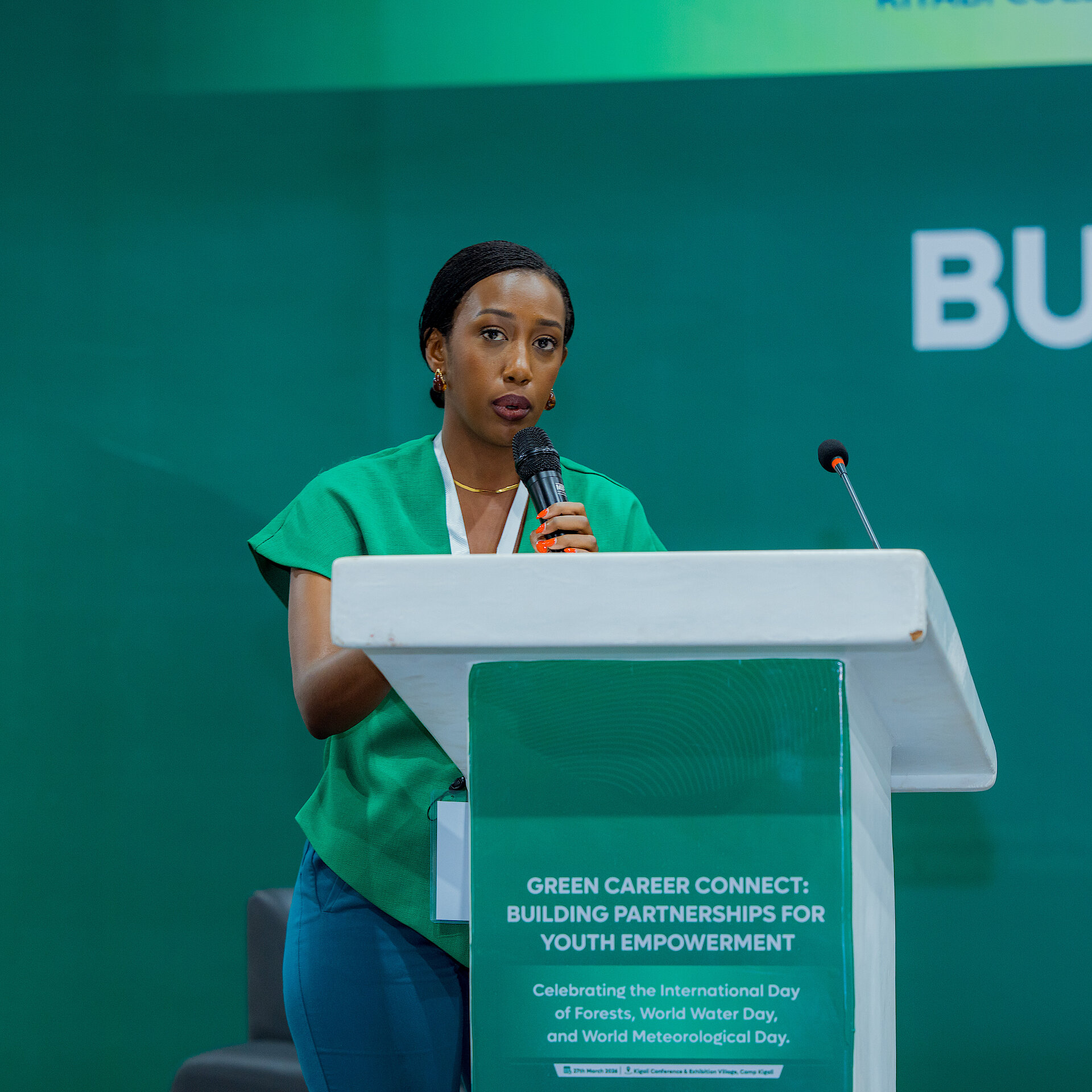 A panel discussion brought together experts to discuss skills, employment, and the future of green jobs.
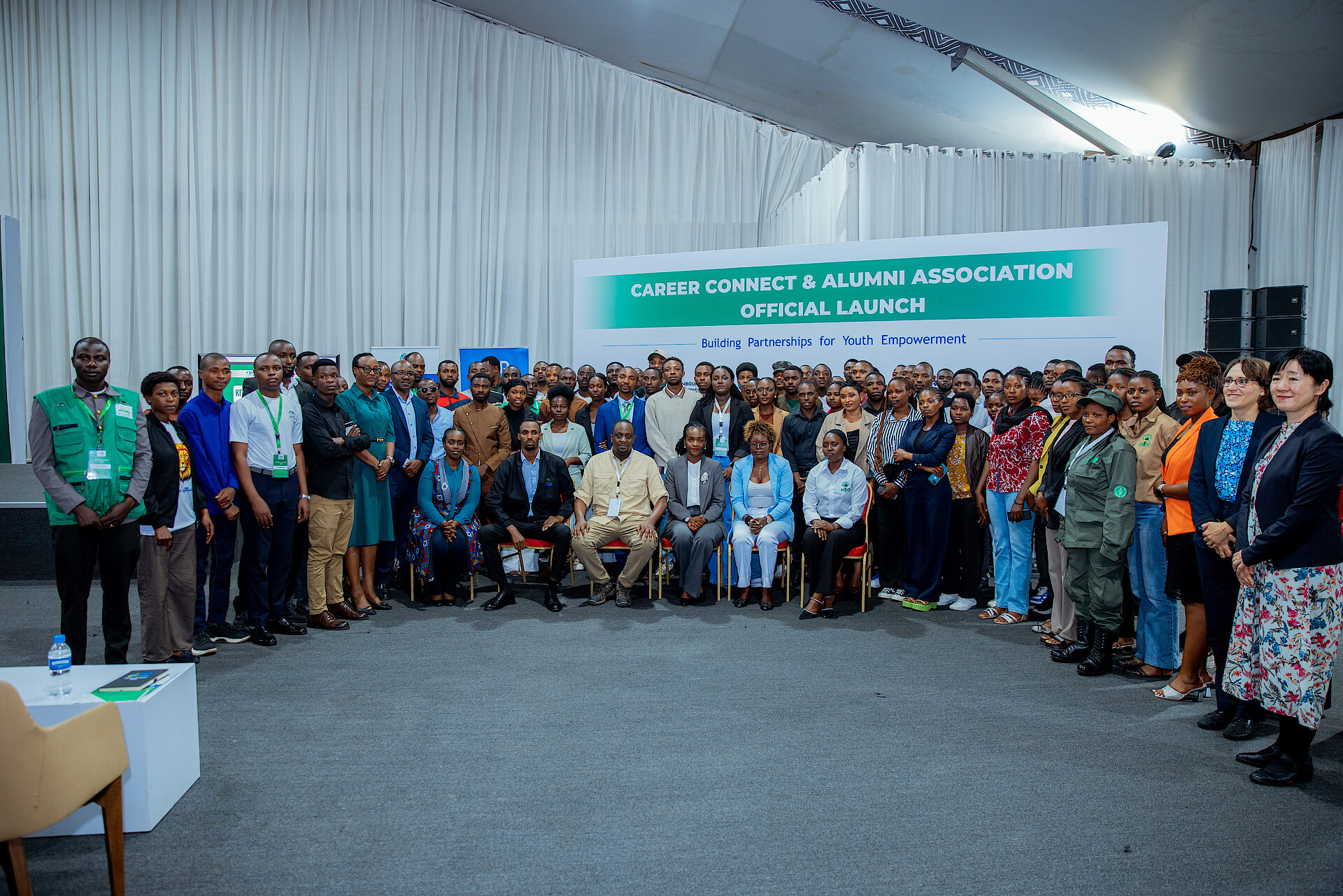
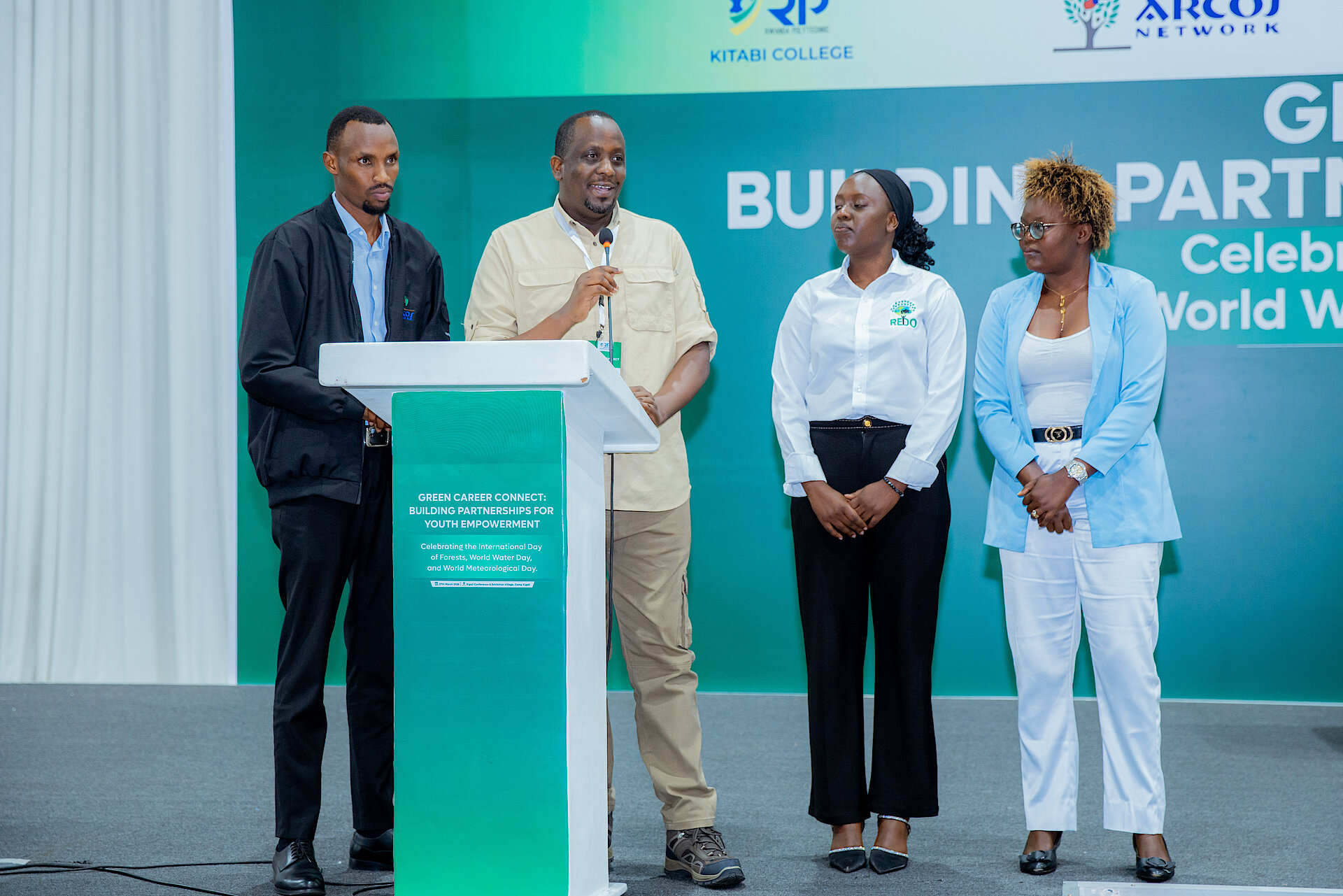 RP Kitabi Alumni Association was officially launched during the event.
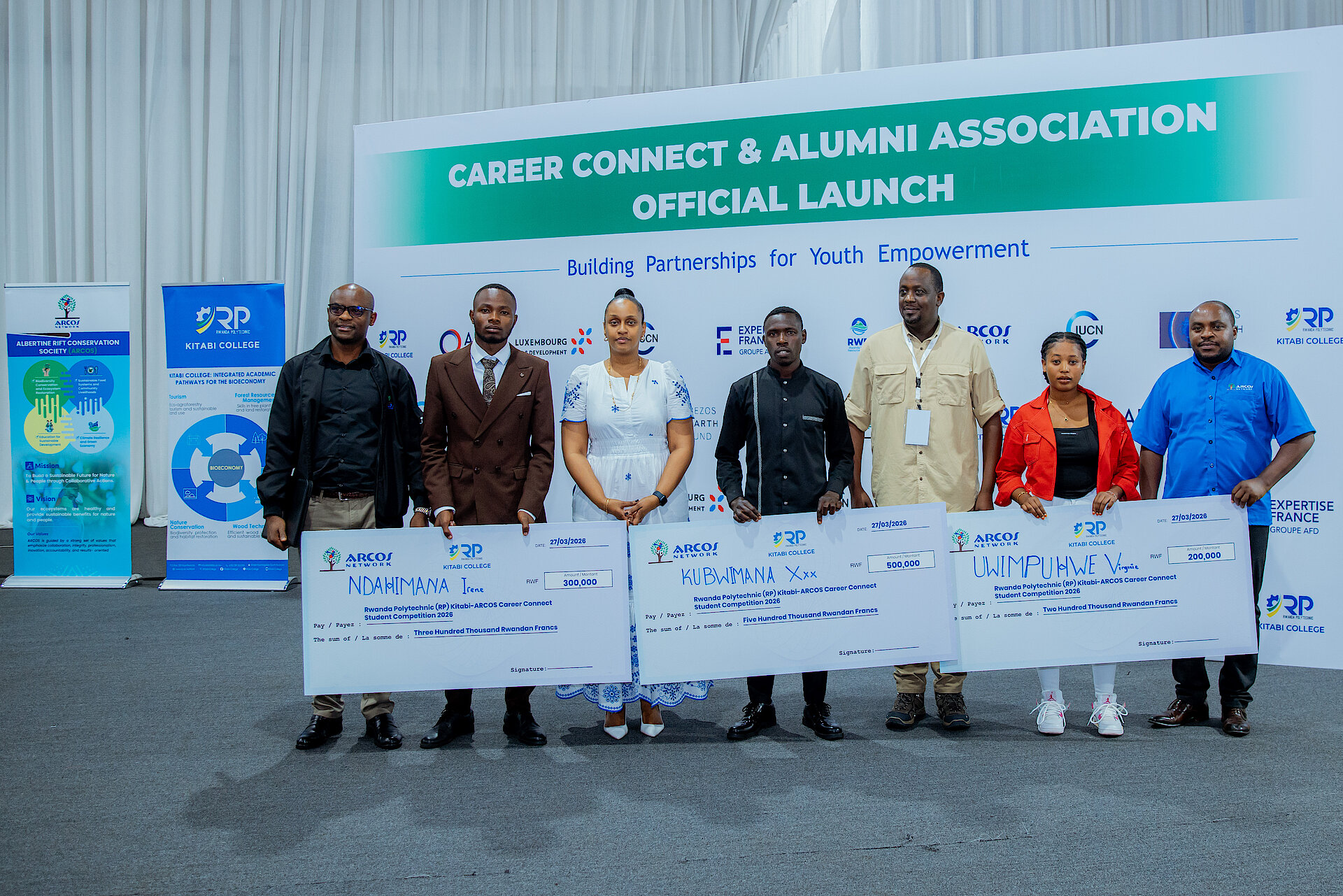 Students with successful projects were recognized and motivated.
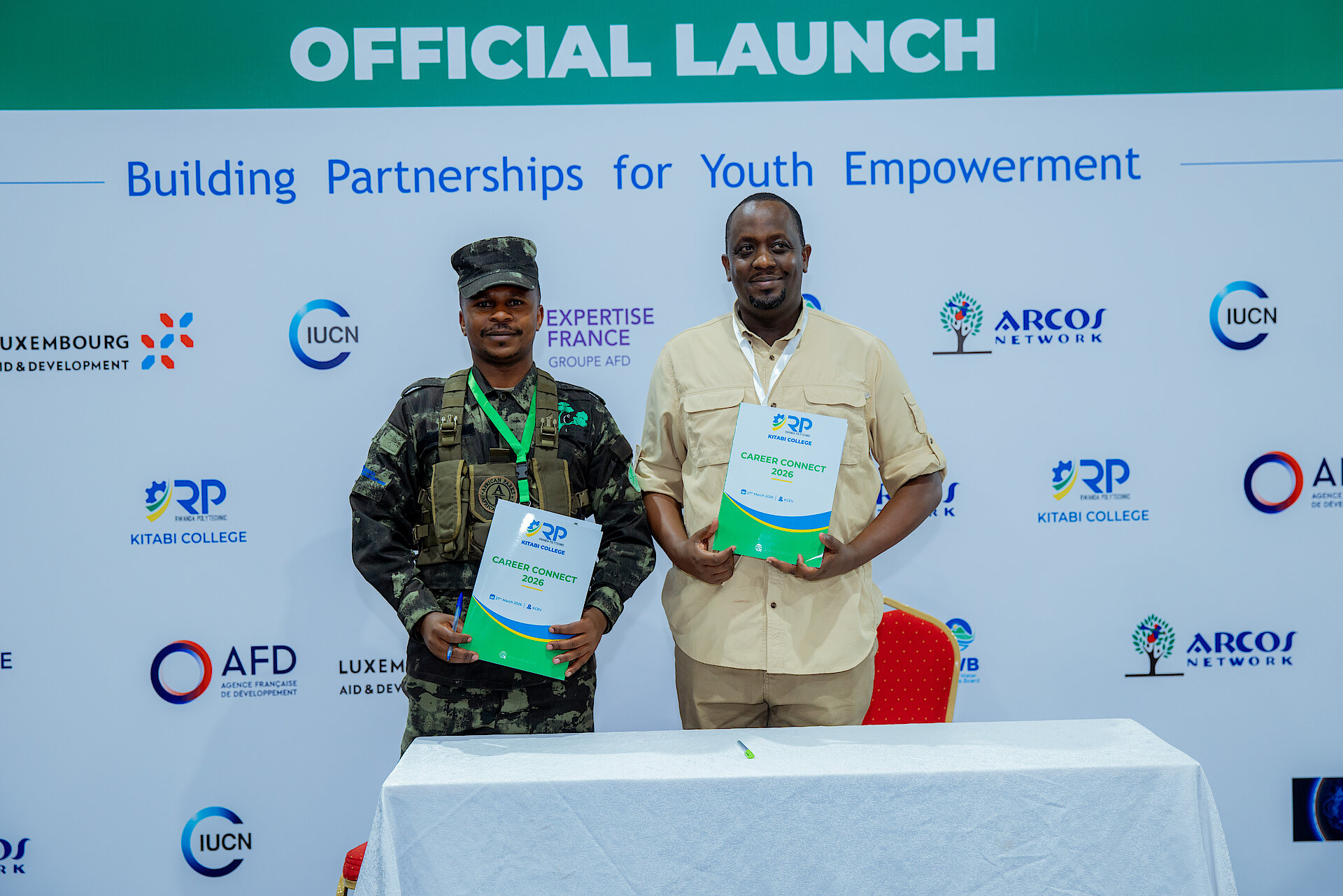
Through signing MoUs, Career Connect 2026 fosters stronger ties between institutions and industry.
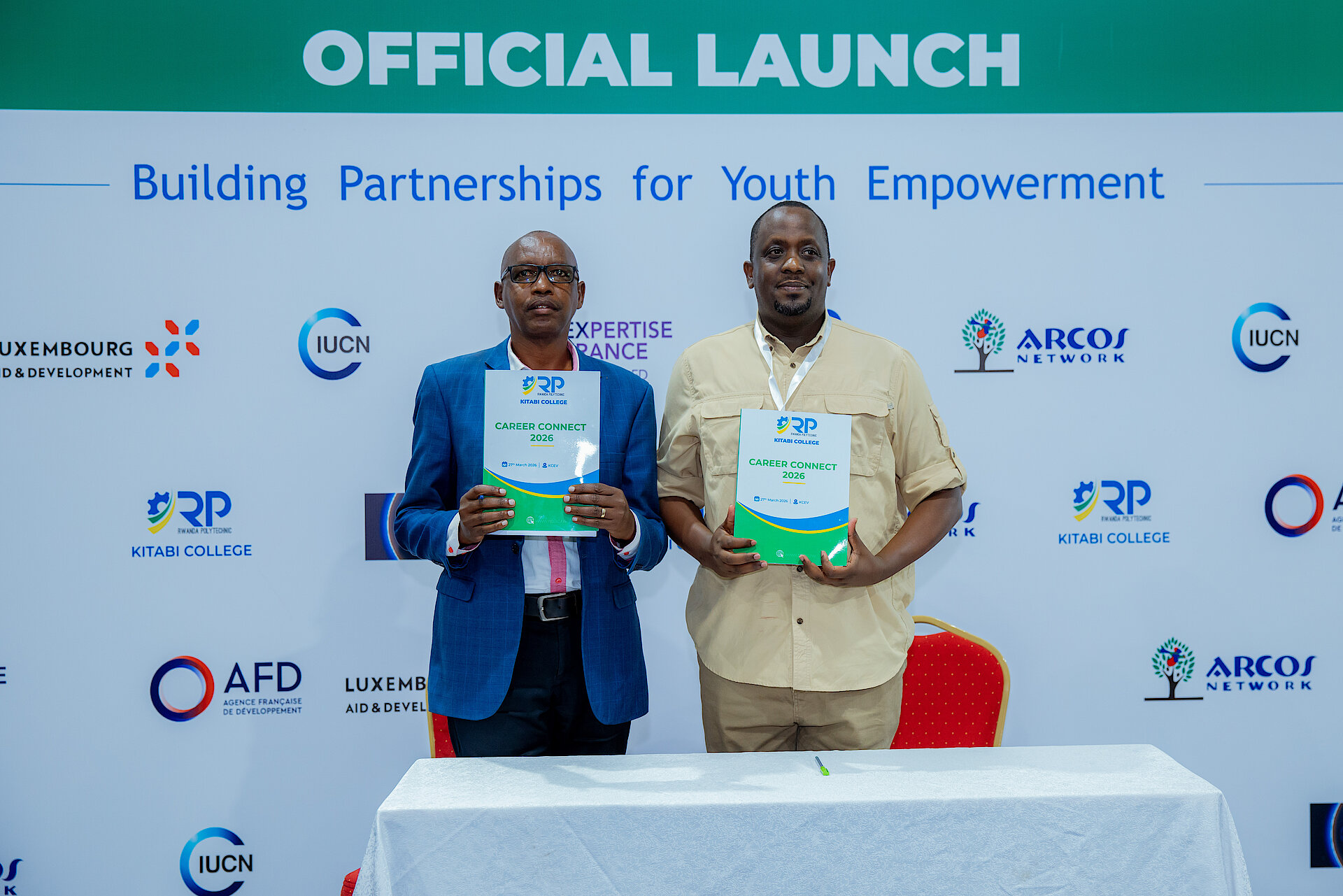
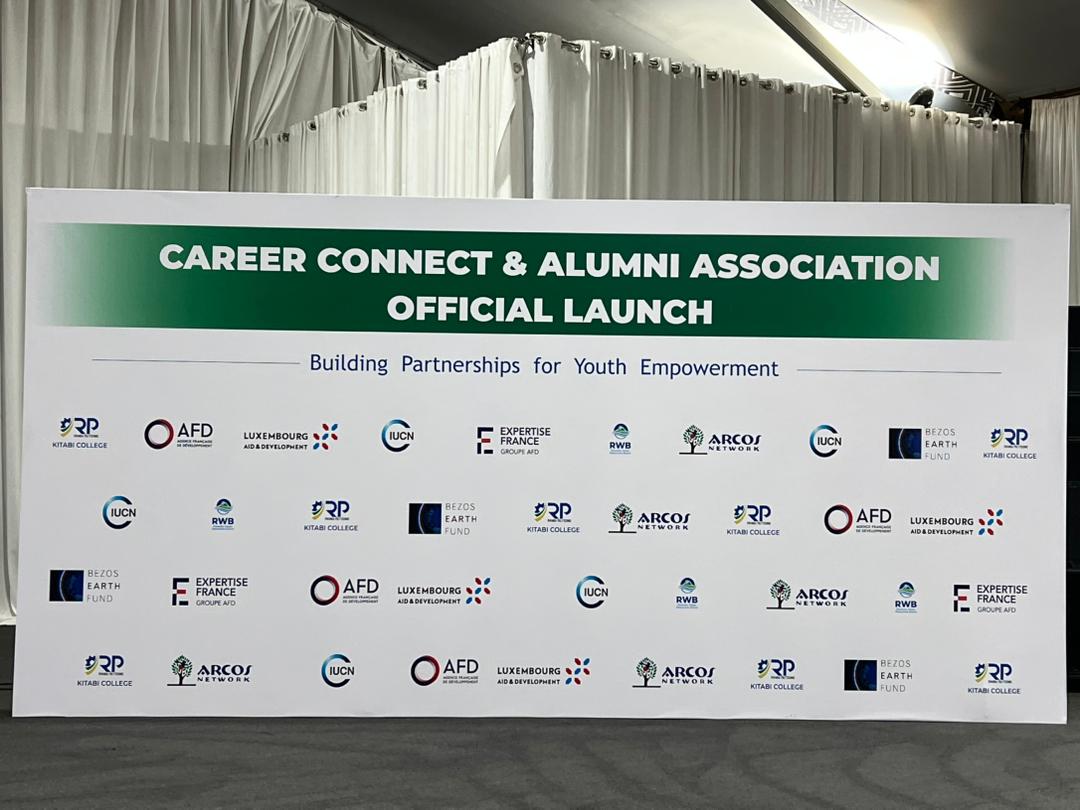
Thanks to all partners for driving opportunities, innovation, and a green future for Rwandan youth.
Explore more photos from Career Connect 2026 here:https://drive.google.com/drive/folders/1RgKxveWMJOMO1zmfnL_30cFEe0cX4lXq?usp=sharing